

Understanding the impact of coffee consumption on the environment.
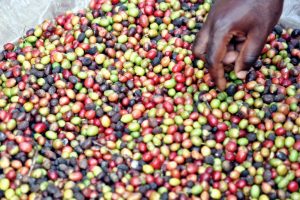 Due to the high consumption of coffee, both producers and consumers may face health risks from pesticides in coffee, so the safety of coffee should be taken seriously. A recent study showed that exposure to pesticides increases the risk of death in patients with Parkinson’s disease (28). However, other circumstances must be considered to explain why. Another detailed investigation in Tanzania found that acute pesticide poisoning (APP) poses a health risk, resulting in increased mortality among those exposed to pesticides (29). Exposure to pesticides is one of the factors demonstrating a link between hormone exposure risk and Parkinson’s disease risk in postmenopausal women. That is, women who are farmers or live near farms where pesticides are used have higher rates of Parkinson’s disease compared with control cases (30). Preclinical evidence suggests that certain pesticides increase the risk of Parkinson’s disease. Dieldrin is an organochlorine commonly used as a pesticide. This pesticide is associated with neuronal apoptosis (31). Rotenone also acts as a neurotoxin. Furthermore, the negative effects of pesticides are not limited to farmers or consumers, but also affect the future of coffee wastewater (CWW). A recent critical review suggests that the use of CWW after appropriate treatment may be economically and environmentally beneficial, except in cases where pesticide residues that threaten aquatic life even in trace amounts are present (32). This has been confirmed in early studies on phytotoxicity and cytogenotoxicity in coffee wastewater (33), as trials and trials for the removal of these pesticides started in 2013, but the results were unsatisfactory (34). Using coffee grounds could be a way for coffee farmers to generate additional income and help them offset production costs. The latter requires the use of pesticides. The recent concern over the dependence of 80% of Ethiopia’s population on agriculture with uncontrolled pesticide use has led to the initiation of numerous studies highlighting the health and environmental risks associated with pesticides. To assess risks and develop solutions, an electronic database-based study was recently conducted specifically on the direct use of dichlorodiphenyltrichloroethane (DDT). Data show that DDT has been detected in soil, surface water and human milk, indicating the direct use of DDT in food crops. Additionally, it is a sign of long-term health risks to the public, harming fish, bees, soil life and wildlife. Therefore, misuse of pesticides may lead to disruption of the entire life cycle (35). This study calls for increased awareness to reduce the risks posed by the misuse of pesticides [1].
August 2018 – A new guide highlights how coffee-growing countries in Africa and beyond can best take advantage of new Global Environment Facility (GEF) funding opportunities to improve coffee productivity and quality and position their coffee sectors in the face of climate change A growing threat to the industry[3].
Responsible Coffee Sourcing: Choose sustainable coffee beans using environmentally friendly methods and appropriate production resources. By sourcing coffee from farms committed to ethical and sustainable practices, you promote environmental protection and support local communities[5].
This systematic scoping review provides evidence from 52 primary research articles demonstrating the beneficial and sustainable use of coffee in personal care products. Natural ingredients containing bioactive compounds that support healthy personal care and can protect and improve the appearance and condition of skin and hair are currently being identified and evaluated. Demand for natural and sustainable ingredients in beauty and personal care products is driving growth in a market worth more than $500 billion. Coffee is one of the most popular beverages in the world and has been extensively studied for its inherent benefits. However, external benefits are less well known. This article examines the potential of coffee and its by-products as ingredients in cosmetic and personal care formulations. Various applications of a range of bioactive compounds from coffee beans, leaves and by-products are demonstrated. The study will assess the economic and environmental issues facing the coffee industry. Many of the 25 million small-scale coffee farmers live in poverty and new markets could boost their economic health. Coffee by-products are another industry-wide problem, producing 8 million tons of residual waste annually. Still, these by-products are a rich source of chemical compounds. Our discussion focuses on phenolic compounds, triacylglycerols, and caffeine used in cosmetics. The use of coffee in personal care products can benefit consumers and industry stakeholders by supporting the sustainability of the coffee production chain by providing natural, non-toxic ingredients as well as economical alternatives and environmental solutions. Database searches yielded 772 articles. Of the included studies (k = 52), a minority (k = 10; N = 309) mentioned clinical trials and participant studies. Classify applications using the Personal Care Products and Ingredient Classification (PERSOC). Assessing sustainability potential using the Coffee Product Sustainability (COPS) model. The overall goals of the systematic scoping review were to (1) expand the literature and highlight the evidence for the use of coffee ingredients in topical personal care products and (2) critically evaluate the results in light of sustainability issues [6].
If the coffee industry is to tackle this problem, it needs to address the increasing need for long-term sustainable coffee sourcing. By doing so, we can support more socially and environmentally-friendly coffee production, as well as empowering smallholder farmers to improve their socioeconomic livelihoods and grow more climate-resilient coffee in the future[4].
Tips for sustainable coffee consumption.
Source Coffee Responsibly: Opt for sustainable coffee beans that use environmentally friendly methods and suitable production means. By sourcing coffee from farms that advocate ethical and sustainable practices, you promote environmental conservation and support local communities[5].
This systematic scoping review presents evidence from 52 primary research articles for the beneficial, and sustainable, use of coffee in personal care products. The identification and evaluation of natural ingredients that harbor bioactive compounds capable of supporting healthy personal care and protecting and improving the appearance and condition of skin and hair is topical. Demand for natural and sustainable ingredients in beauty and personal care products is driving growth in a market valued at over $500 billion. Coffee, as one of the world’s favorite beverages, is widely studied for its internal benefits. External benefits, however, are less known. Here the potential of coffee and its by-products as ingredients in cosmetic and personal care formulations is explored. Diverse applications of a range of bioactive compounds from the coffee bean, leaves, and by-products, are revealed. Research is evaluated in light of economic and environmental issues facing the coffee industry. Many of the 25 million smallholder coffee farmers live in poverty and new markets may assist their economic health. Coffee by-products are another industry-wide problem, accounting for 8 million tons of residual waste per year. Yet these by-products can be a rich source of compounds. Our discussion highlights phenolic compounds, triacylglycerols, and caffeine for cosmetic product use. The use of coffee in personal care products can benefit consumers and industry players by providing natural, non-toxic ingredients and economic alternatives and environmental solutions to support sustainability within the coffee production chain. Database searches identified 772 articles. Of those included (k = 52), a minority (k = 10; N = 309) related to clinical trials and participant studies. Applications were classified, using the PERSOnal Care products and ingredients classification (PERSOC). Sustainability potential was evaluated with the Coffea Products Sustainability (COPS) model. Overall objectives of the systematic scoping review were to: (1) scope the literature to highlight evidence for the use of coffee constituents in externally applied personal care products, and (2) critically evaluate findings in view of sustainability concerns[6].


